Science

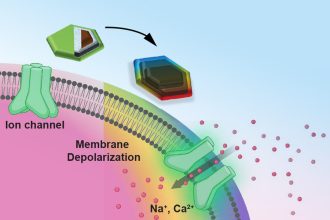
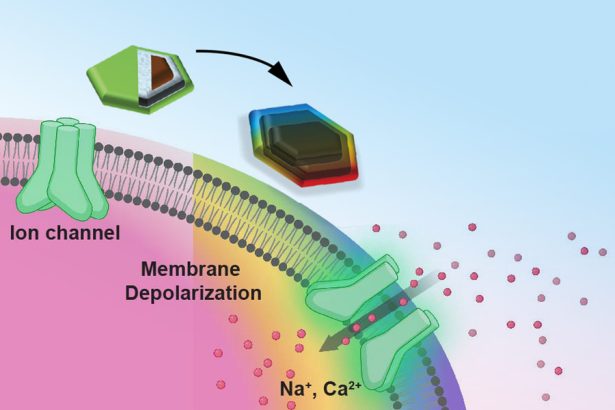
Tiny magnetic discs offer remote brain stimulation without transgenes

Novel magnetic nanodiscs could provide a much less invasive way of stimulating parts of the brain, paving the way for

By Admin

Editor's Top Picks

Retired stars join the young stars’ party in the sky: how evolved stars contribute to the early heating of Earth

Researchers from the University of Sheffield and Imperial College London have spotted a ‘retired’ Asymptotic Giant Branch (AGB) star passing

By Admin

Your one-stop resource for medical news and education.

Your one-stop resource for medical news and education.

More form Science

Aligned peptide ‘noodles’ could enable lab-grown biological tissues

A team of chemists and bioengineers at Rice University and the University of Houston have

By Admin

Bacteria ‘nanowires’ could help scientists develop green electronics

Engineered protein filaments originally produced by bacteria have been modified by scientists to conduct electricity.

By Admin

Revolutionary chronic wound treatment could help millions 

An effective treatment for chronic wounds that does not involve antibiotics, but an ionised gas

By Admin

Rice breakthrough could make automated dosing systems universal

Synthetic biologists’ hack blood-glucose reaction to create chemotherapy detector Rice University synthetic biologists have found

By Admin

How cell identity is preserved when cells divide

MIT study suggests 3D folding of the genome is key to cells’ ability to store

By Admin